When searching for the right daycare or early learning center, parents often want to know:
What does a typical day look like? Routines matter—not just for logistics, but for your child’s emotional security and learning.
At Playtime University in Coal Valley, IL, we design our daily routines to balance structure and flexibility, learning and play, independence and support. Whether your child is an infant, toddler, or Pre-K student, each day is built around consistent care, age-appropriate activities, and a safe, welcoming environment.
This blog will walk you through what a typical day looks like for children enrolled at Playtime University, from drop-off to pick-up.
Why Routine Is So Important in Childcare
Children thrive when they know what to expect. Predictable routines:
- Reduce anxiety and help children feel secure
- Promote better behavior and emotional regulation
- Support consistent sleep, eating, and play patterns
- Lay the groundwork for future school readiness
That’s why we carefully design age-specific schedules that help children feel calm, capable, and confident throughout the day.
Drop-Off: A Warm Welcome (5:30 AM – 8:30 AM)
Playtime University opens early—at 5:30 AM—to accommodate working families. During drop-off, children are greeted by familiar caregivers and gently transitioned into their classrooms.
We encourage parents to share updates on how their child is feeling, if there were any changes in routine, or if there’s anything we should be aware of for the day ahead.
Our goal during drop-off is to create a calm, welcoming atmosphere where each child feels seen, safe, and ready to start their day.
Morning Activities and Circle Time (8:30 AM – 10:00 AM)
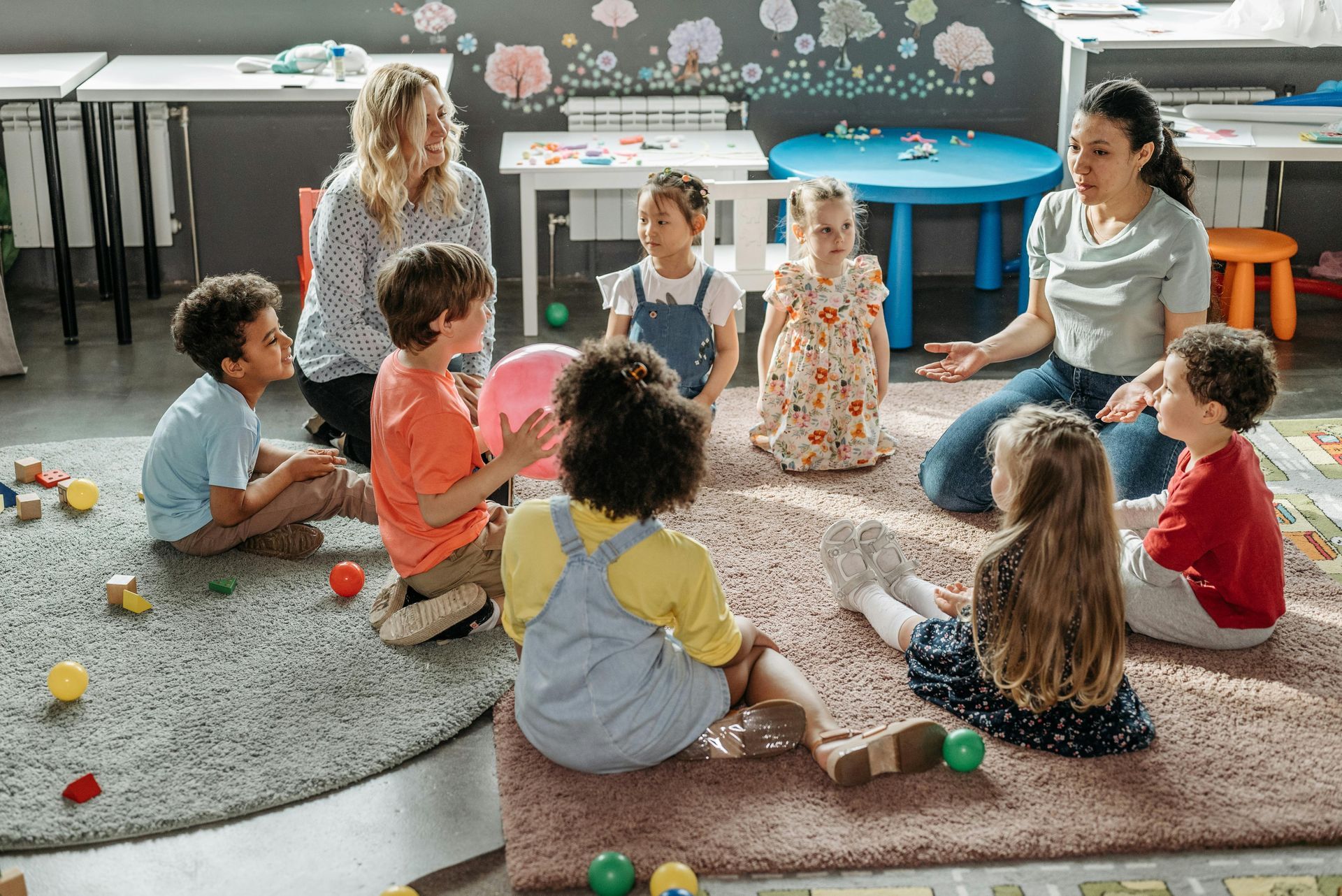
Once all children have arrived, we begin our structured learning block for the morning. This typically includes:
- Circle time – Greetings, songs, calendar, weather, and group conversation
- Language activities – Letter sounds, vocabulary building, storytelling
- Fine motor skills – Puzzles, drawing, cutting, and hands-on learning centers
For toddlers and preschoolers, this time builds early academic readiness while also developing listening skills, patience, and cooperative play.
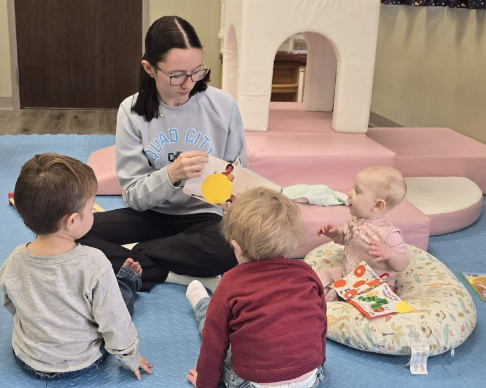
Infants follow individualized schedules but are also engaged in sensory play, tummy time, and one-on-one interaction with caregivers.
Snack Break (10:00 AM – 10:30 AM)
All age groups are offered a nutritious morning snack, which provides a break and helps children refuel. We follow state nutritional guidelines and accommodate any documented allergies or dietary restrictions.
This is also a great opportunity to work on social skills like sitting at the table, using utensils, and practicing manners.
Outdoor Play or Gross Motor Time (10:30 AM – 11:15 AM)
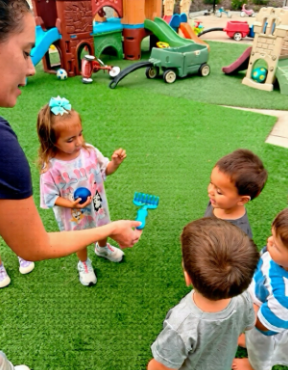
Weather permitting, children head outside for fresh air and active play in our secured outdoor area. Activities may include:
- Climbing, sliding, or running
- Group games and relay activities
- Nature exploration and sandbox play
On rainy or cold days, we bring the movement indoors with music and dancing, obstacle courses, or guided exercises.
For infants, outdoor time includes stroller walks or a change of scenery in a safe, shaded space.
Learning Through Play (11:15 AM – 12:00 PM)
After outdoor time, children return indoors for guided play and learning. This may involve:
- Dramatic play (pretend kitchens, dress-up)
- Sensory stations (water, sand, textured materials)
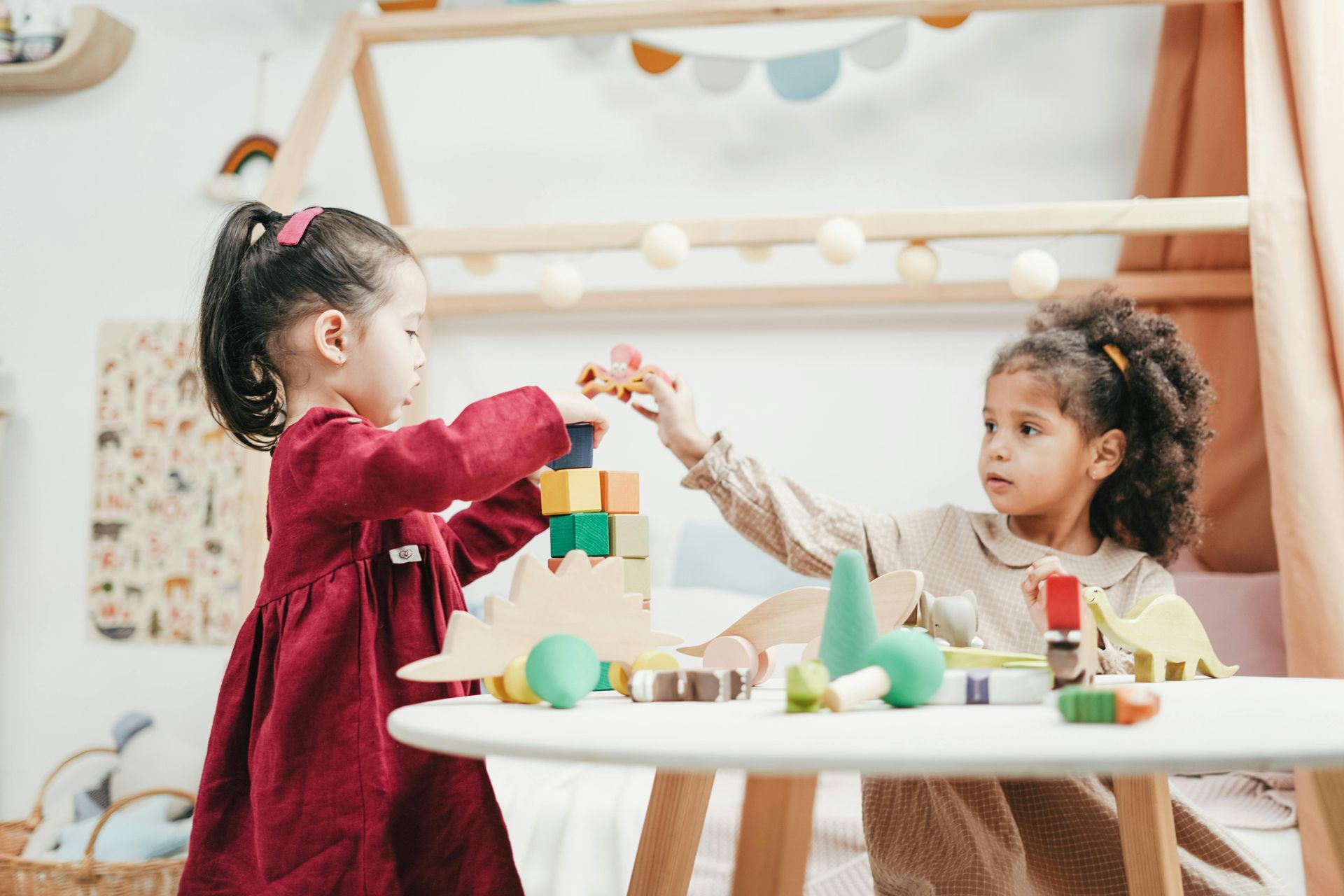
- STEM activities (building blocks, early science experiments)
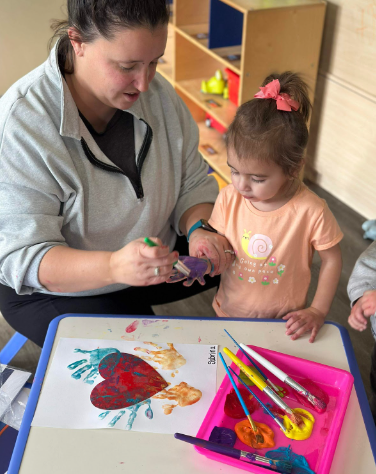
- Art and creative expression (painting, crafting, coloring)
This part of the day encourages exploration and child-led curiosity while still being guided by teachers and aligned with early learning goals.
Lunch and Rest Time (12:00 PM – 2:30 PM)
We serve a healthy, balanced lunch followed by rest or nap time, depending on the child’s age.
- Infants are fed on individual schedules and nap as needed in designated cribs
- Toddlers and preschoolers eat together, then rest on individual cots in a calm, darkened room
- Quiet music or audiobooks help children settle, even if they don’t nap
Rest time helps children recharge and prevents overstimulation in the afternoon.
Afternoon Learning and Enrichment (2:30 PM – 4:00 PM)
After naps, children engage in light enrichment activities to round out their day:
- Story time or music
- Small-group activities
- Science or nature-focused projects
- Journaling or reflection for Pre-K students
We revisit some of the morning’s learning themes and provide opportunities for expression, review, and creative play.
Snack and Free Play (4:00 PM – 5:00 PM)
A second snack is offered in the late afternoon, followed by free play, which allows children to unwind and socialize.
During this time, children may choose their own activities within the classroom—picking a book, building with blocks, or engaging in imaginative play. It’s a great way to decompress before heading home.
Pick-Up and Parent Communication (5:00 PM – 6:00 PM)
Our center remains open until 6:00 PM, allowing flexible pick-up times for working parents. As children are picked up, our staff provide quick updates on:
- Meals and snacks
- Naps and diapering
- Activities and learning milestones
- Behavior or special moments from the day
For infants and toddlers, we provide written daily reports or app-based logs so you can stay connected to your child’s routine and progress.
How We Adapt to Each Child’s Needs
While we follow a structured daily schedule, our caregivers remain flexible and responsive. If a child is having a tough day, needs extra comfort, or needs adjustments to their routine, we adapt with care.
For infants and younger toddlers, our staff follow individual care plans based on parent instructions and developmental milestones.
No two children are the same—our routines provide structure, but our staff provide the warmth, patience, and personal attention every child deserves.
Benefits of Our Daily Routine
Our structured routine provides several long-term benefits for children:
- Predictability: Helps reduce stress and transitions between activities
- Independence: Builds skills like dressing, cleaning up, and self-regulation
- Confidence: Repeating daily routines builds mastery and self-esteem
- Academic Readiness: Daily exposure to letters, numbers, and language supports kindergarten prep
- Social Growth: Interacting with peers during meals, play, and group time fosters teamwork and communication
Children at Playtime University thrive in an environment where their days are filled with learning, laughter, and meaningful relationships.
Call to Action: See It for Yourself
Reading about our daily routine is helpful—but visiting in person is even better.
We invite you to schedule a tour at Playtime University in Coal Valley to observe our classrooms, meet our staff, and experience our structured, caring environment firsthand.
Phone: (309) 524-3080
Address: 201 W 2nd Avenue, Coal Valley, IL 61240
Email: heritage.academy0@gmail.com
Hours: Monday–Friday, 5:30 AM to 6:00 PM
Come see how we make each day meaningful for the children we serve—and how we can support your family.